
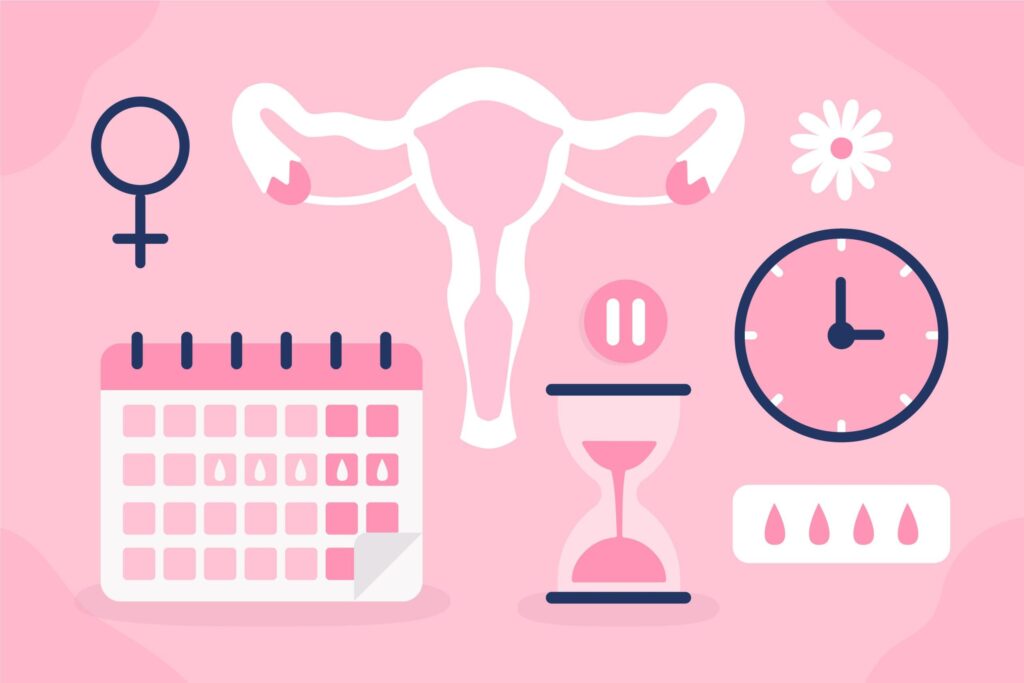
Menopause does not happen overnight. It happens gradually, often becoming noticeable through small changes throughout the body. For many menstruators, the earliest sign is a shift in their menstrual cycles. Periods may become irregular; the flow may change – lighter or heavier or they become unusually spaced apart. Alongside this one might experience hot flashes and night sweats bringing sudden waves of heat that disrupt daily comfort and sleep.
One could also notice changes like vaginal dryness that affects intimacy, a frequent urge to urinate, restless nights or shifts in mood and concentration. Some notice changes in their skin, hair or weight. Others feel joint stiffness, headaches or a racing heartbeat.
Every experience of menopause is unique. Some go through it with only mild disruptions, while others find the symptoms more intense. Whatever might be the case, all these changes are linked to the body’s shifting hormone levels. If you’re uncertain about whether your symptoms relate to menopause, checking in with a healthcare provider can bring clarity and reassurance.